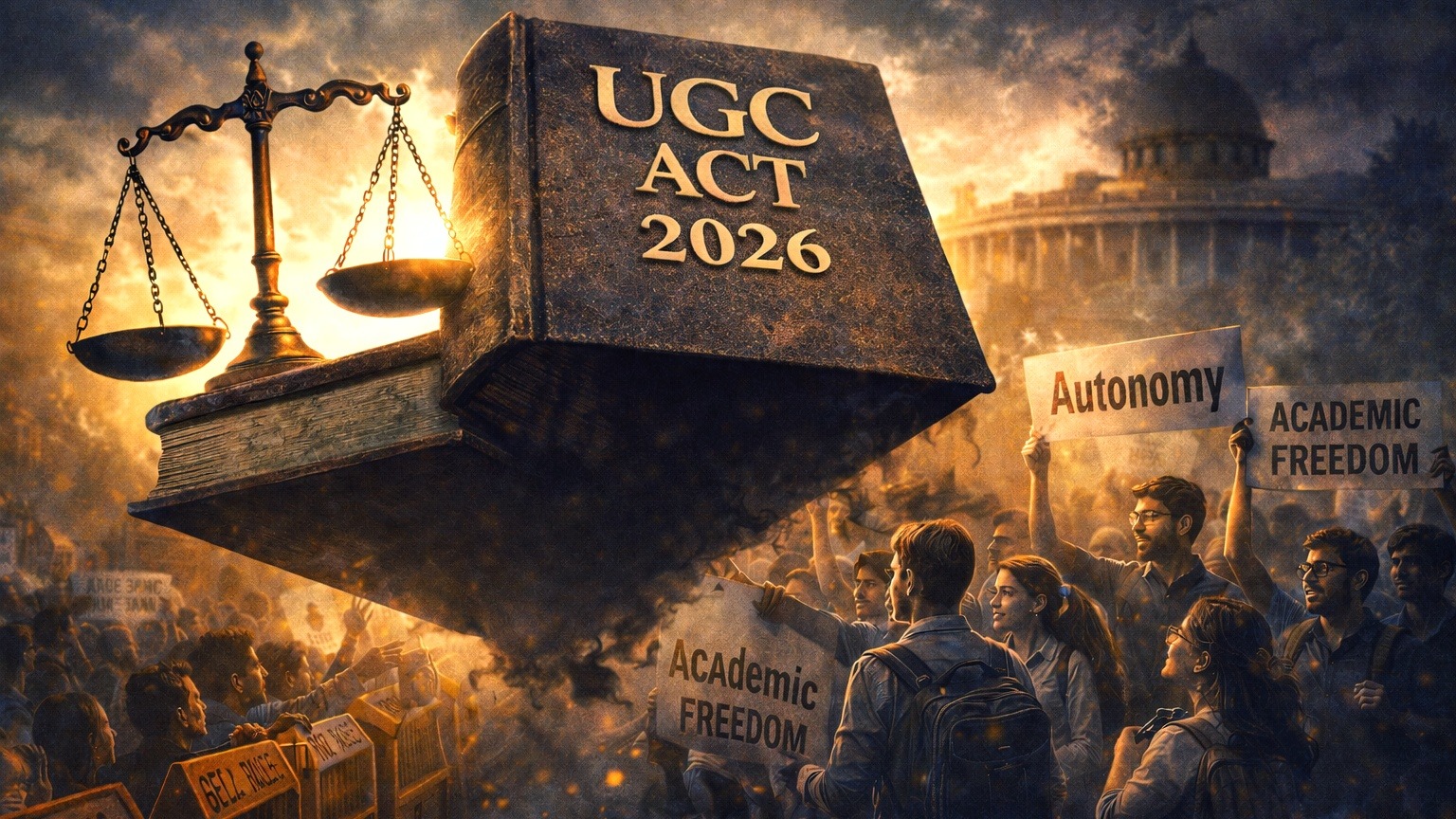
The opening weeks of 2026 have been dominated by a political and academic firestorm, centering on the controversial University Grants Commission (Amendment) Act, 2026—commonly dubbed the UGCA Act 2026. The crisis reached a judicial crescendo on January 15th, when the Supreme Court of India issued an immediate interim stay on the Act’s most contentious regulations.
The order has temporarily halted the government’s ambitious—and fiercely opposed—plans for higher education reform, but it has done little to quell the massive backlash that now threatens to destabilize the ruling BJP’s political narrative. India’s higher education sector is in turmoil after the Supreme Court halted the controversial UGC regulations this January. Students, faculty, and politicians are divided, with protests exposing deep rifts even inside the BJP.
Understanding the UGCA Act 2026
The UGCA Act 2026, short for University Grants Commission (Promotion of Equity in Higher Education Institutions) Regulations, 2026, was notified on January 13, 2026. Aimed at curbing caste-based discrimination and student suicides, it stemmed from the Supreme Court case Abeda Salim Tadvi v Union of India.
These rules expanded protections beyond the 2012 version, mandating Equal Opportunity Centres (EOCs) in every institution, an Ombudsperson for complaints, and accountability for heads of universities. They defined “caste-based discrimination” narrowly as acts against SC, ST, and OBC members, sparking accusations of reverse discrimination.
Critics argued Clause 3(c) was vague and open to misuse, lacking safeguards against false claims targeting general category students. No penalties for bogus complaints fueled fears of harassment.
Read Also – How to Choose the Right Life Insurance Policy in India (and Save ₹10,000+)
Read Also – The Complete Guide to Debt Consolidation Loans
Key Differences: 2026 vs 2012 Regulations
The new rules overhauled enforcement compared to the lighter 2012 framework.
This table highlights why 2026 was seen as stricter, but opponents called it exclusionary.
Nationwide Protests Erupt
By late January, streets from Delhi to Patna buzzed with outrage. General category groups stormed UGC offices, demanding rollback. Karni Sena and upper-caste outfits led marches, labeling the rules “anti-merit.”
Videos of students clashing with police went viral on YouTube and social media. Lucknow University saw massive sit-ins, while Patna witnessed BJP workers protesting alongside youth. The backlash turned personal—resignations from party affiliates shocked observers.
For more visuals, check ANI’s breaking coverage.
BJP’s Internal Storm: Modi’s Challenge
Prime Minister Narendra Modi’s government faces its toughest intra-party test yet. BJP’s core upper-caste base feels betrayed, with leaders publicly dissenting. Protests within the party from Uttar Pradesh to Rajasthan signal a revolt.
Analysts say this echoes past reservation rows, testing Modi’s balancing act post-reelection. Solicitor General Tushar Mehta stayed silent in court, hinting government unease. Can Modi pacify allies without alienating reformers? The March 19 hearing looms large.
Supreme Court’s Swift Intervention
On January 29, Chief Justice Surya Kant’s bench stayed the rules, calling them “prima facie vague and capable of misuse.” They invoked Article 142 to revive 2012 regulations until March 19.
The court flagged issues like missing ragging protections and potential hostel segregation. Advocate Indira Jaising defended the intent for inclusivity, but the bench prioritized clarity. Notices went to UGC and Centre. Read the full order analysis at SCObserver.
What’s Next for Higher Education?
Institutions breathe relief, reverting to familiar 2012 norms. But the stay spotlights equity gaps—suicides linked to discrimination persist. A court-directed committee of jurists may redraft rules.
For students, this halts immediate changes but reignites merit vs reservation debates. PM Modi must navigate this minefield amid 2026’s political heat. Track updates via LiveLaw.