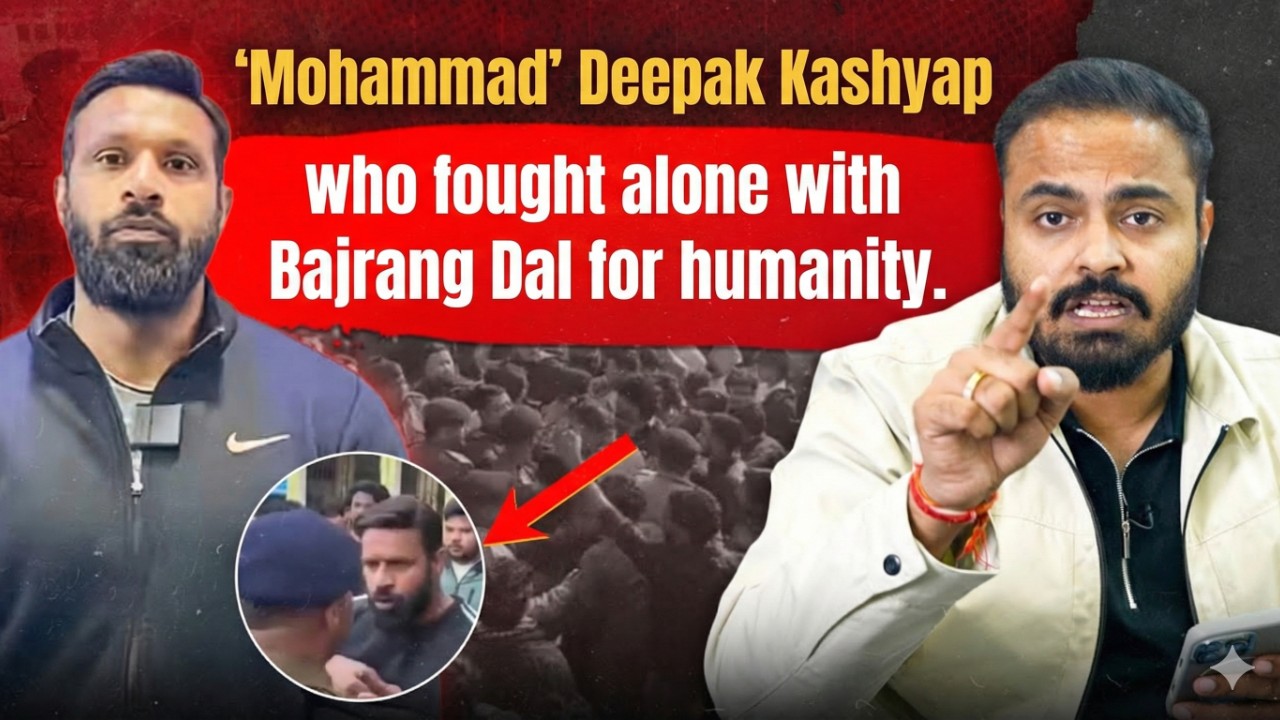
In the hilly town of Kotdwar, Uttarakhand, a single act of courage ignited a firestorm on social media at the start of 2026. Deepak Kumar, a local gym owner, stepped in to shield 70-year-old Wakeel Ahmed from a group demanding he scrap “Baba” from his 30-year-old shop sign. By declaring “My name is Mohammad Deepak,” he fused Hindu-Muslim identities in a viral standoff that exposed India’s deepening communal fault lines.
The Spark in Kotdwar
The incident unfolded on Republic Day, January 26, 2026. Wakeel Ahmed, also known as Mohammad Shoaib, ran “Baba School Dress and Matching Centre” without issue for decades. Bajrang Dal affiliates arrived, claiming “Baba”—a term tied to Hindu reverence like Siddhbali Baba temple nearby—was off-limits for Muslims.
Deepak, 46, was at a friend’s shop nearby. Spotting the harassment, he intervened boldly. Video footage shows him challenging the mob: “The shop’s 30 years old—will you rename it? Why can others use ‘Baba’ but not him?” When pressed for his name, his “Mohammad Deepak” retort went viral, amassing millions of views on Instagram, YouTube, and X.
Supported by ally Vijay Rawat, Deepak emphasized unity: “I’m not Hindu, Muslim, Sikh, or Christian first—I’m human.” The crowd dispersed temporarily, but the clip exploded online, topping Google Discover feeds by January 30.
Viral Storm and Backlash
By January 31, the video had sparked nationwide buzz. Politicians like Asaduddin Owaisi slammed Bajrang Dal, while netizens hailed Deepak as a “hero of harmony.” Hashtags #MohammadDeepak and #KotdwarCourage trended, with shares hitting 500K+ on platforms like Instagram.
But praise turned perilous. Bajrang Dal and VHP members from Dehradun and Rishikesh mobilized 150+ activists to Deepak’s gym and home. They chanted slogans, abused his family, and demanded an apology. A mob gathered on February 1, forcing police intervention.
Deepak livestreamed the threats, alleging police detained him briefly while letting protesters roam. “They cursed my mother and sisters for hours,” he said. Uttarakhand police filed FIRs against unknown agitators under relevant sections, plus three more targeting initial harassers.
Police Action and Resolution
Authorities acted swiftly amid rising tensions. Kotdwar SHO Pradeep Negi confirmed the shop’s long-standing name and blamed “outside groups” for escalating after the viral video. A flag march restored calm, and talks resolved the row: “Baba” stays, no more protests.
ASP Chandra Mohan Singh noted complaints predated the video by months, linked to temple sensitivities. FIRs now probe both sides, with Deepak facing one amid counter-claims. No arrests as of February 2, but investigations continue.
A Stand for Unity
Deepak’s defiance echoes India’s constitutional ethos amid polarizing times. “Mai rahu na rahu” (whether I stay or not), his message prioritizes humanity over division. As Kotdwar heals, his story reminds us: one voice can challenge mobs.
In Ghaziabad and beyond, such narratives fuel hope for cohesion. Deepak refuses to back down, vowing to fight legally. This early-2026 flashpoint, resolved peacefully, sets a precedent—but vigilance remains key.